Hydro Jetting: When Your Sewer Line Needs More Than a Snake
By Ohio Sewer Masters
The snake cleared your drain, and three months later it's slow again. That's not bad luck. That's the difference between punching a hole through a clog and actually cleaning the pipe.
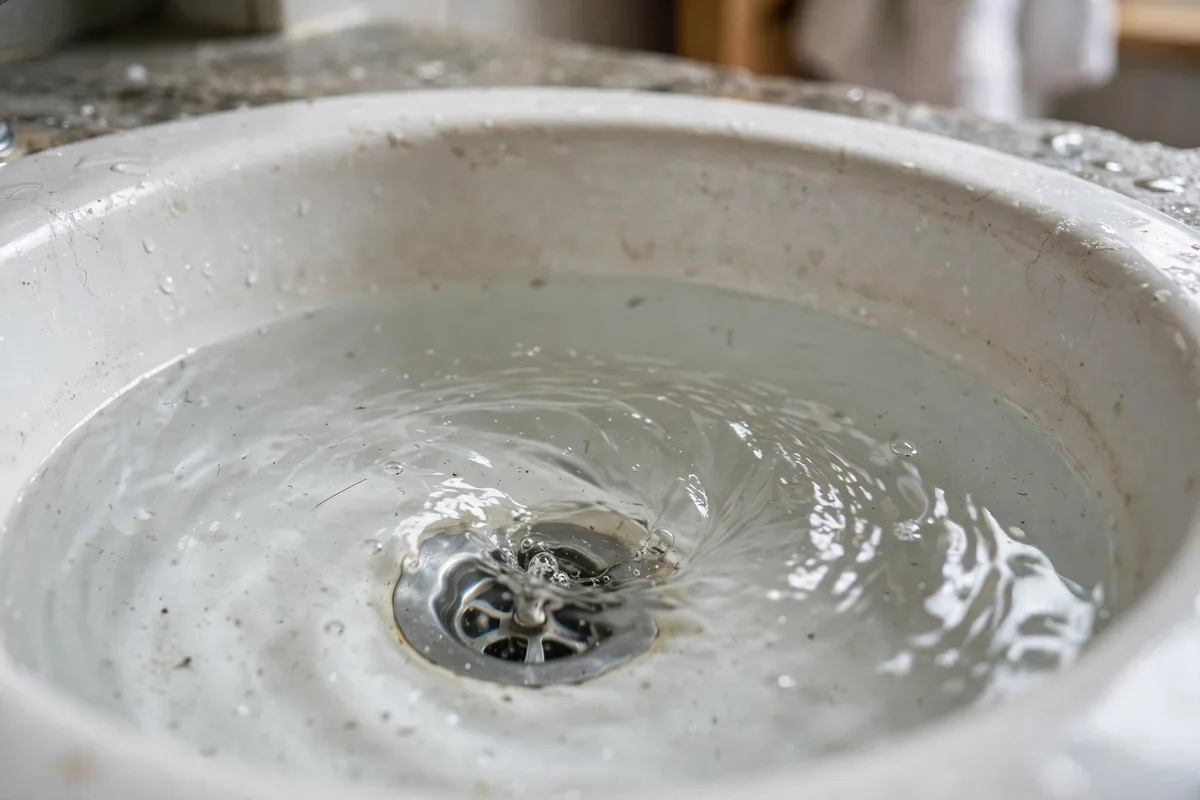
Slow drains that keep returning after snaking are a buildup problem, and buildup is what jetting is built for.
Hydro jetting uses high-pressure water to scour the entire inside of a sewer pipe, removing grease, scale, sludge, and roots from the walls. A drain snake only punches a hole through a blockage. When clogs keep coming back, the pipe walls are the problem, and walls are what jetting cleans.
What Hydro Jetting Actually Is
Strip away the marketing and hydro jetting is simple: a specialized hose with a nozzle on the end, fed by a machine that pressurizes water to thousands of PSI. The nozzle has jets facing backward and forward. The rear jets do two jobs at once: they propel the hose forward through the pipe, and they blast the pipe walls as the hose advances. The front jet breaks up whatever is directly ahead.
The technician works from the downstream end toward the house, so loosened debris gets flushed back toward the access point instead of being pushed deeper into the system. When the hose comes back out, the line isn't just unclogged. It's clean, wall to wall, closer to its original diameter than it's been in years.
This is the fundamental difference from every other clearing method. Chemicals dissolve what's near the drain opening. Plungers dislodge what's loose. Snakes bore through the middle of a blockage. Jetting is the only common method that addresses the full circumference of the pipe.
The Nozzle Matters More Than the Pressure
Most homeowners picture one generic blast of water. In practice, the nozzle is chosen for the specific blockage, and the wrong nozzle does a poor job even at high pressure:
- Penetrating nozzle. A focused forward jet for breaking through solid blockages. First tool in when the line is fully stopped.
- Spinning or rotating nozzle. Jets that rotate as water flows, scrubbing the full 360 degrees of the pipe wall. The workhorse for grease and scale.
- Root-cutting nozzle. Forward-facing jets arranged to shred root masses. Clears roots far more thoroughly than a snake's cutting head.
- Flushing nozzle. High-flow, lower-pressure, for moving sand, silt, and loose debris out of the line.
Pressure gets adjusted to the pipe, not just the clog. Sound PVC handles full pressure easily. Older cast iron with heavy scale gets a moderate setting. Fragile pipe gets jetting only if the camera says it can take it, and sometimes the camera says it can't.
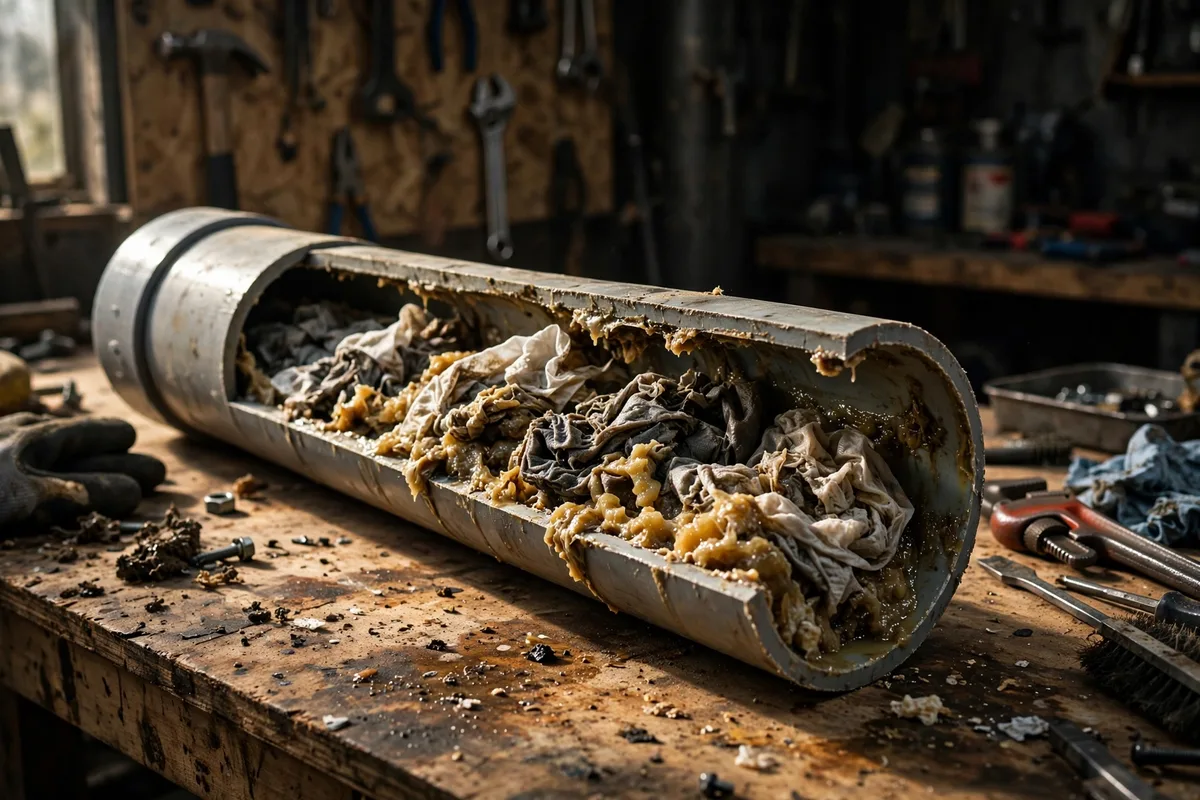
This is what jetting removes: years of grease, sludge, and scale coating the pipe walls, not just a single clog.
Snaking vs Jetting: An Honest Comparison
Neither tool is "better" in the abstract. They solve different problems.
| Situation | Snake | Hydro jet |
|---|---|---|
| Single soft clog (hair, paper) | Usually enough | Overkill |
| Clogs returning every few months | Temporary fix | The right call |
| Grease coating the walls | Punches through, leaves the rest | Scours it off |
| Heavy root mass | Cuts a path through | Shreds and flushes it |
| Scale inside cast iron | Barely touches it | Strips it effectively |
| Collapsed or broken pipe | Can't fix | Can't fix |
| Sand and silt in the line | Pushes it around | Flushes it out |
The pattern is consistent: a snake wins on simple, one-time clogs. Jetting wins on anything recurring, anything coating the walls, and anything the snake has already failed to keep clear. If you've had the same drain snaked twice in a year, you've spent the money that would have jetted it once.
When Jetting Is the Wrong Call
This is the part some companies skip. Hydro jetting is a cleaning method, not a repair method, and using it on the wrong pipe causes real harm.
Collapsed sections. High-pressure water against a collapsed pipe drives water into the surrounding soil and can wash out the bedding around the break. The camera has to confirm the pipe is intact first.
Severely cracked clay tile. Clay tile with major fractures can shed pieces under pressure. Moderate jetting on sound clay is fine; aggressive jetting on failing clay is not.
Crumbling Orangeburg. Orangeburg pipe, the tar-paper pipe used in mid-century Ohio homes, delaminates and blisters with age. Pressurized water accelerates the delamination. If your line is Orangeburg, jetting is off the table.
Bellies and offsets. A belly is a sagging section that holds water. An offset is a shifted joint. Jetting cleans both beautifully and fixes neither. The debris comes right back because the geometry is the problem. These need spot repair or trenchless repair, not a stronger cleaning.
The rule is simple: camera first, jetting second. Any company willing to jet without looking inside first is guessing about your pipe's condition, and the guess can be expensive. For more on what the inspection shows, see what happens during a sewer camera inspection.
What Jetting Does to Ohio's Common Pipe Problems
Ohio's pipe inventory gives jetting plenty to work with. Cast iron laterals, common in homes from the 1950s through the 1970s, develop internal scale and tuberculation, rough mineral nodules that narrow the pipe and catch debris. Jetting strips scale that a snake barely scratches. Clay tile lines collect grease and silt in the joints; jetting flushes the joints clean. And in homes across Cleveland and Cincinnati where silver maples hunt every clay joint, a root-cutting nozzle clears masses that keep a snake busy every spring.
On the commercial side, restaurants and food businesses face the same physics at larger scale, which is why grease management matters so much in food service. At home, the equivalent is simply what goes down the kitchen drain, covered in our never-flush guide.
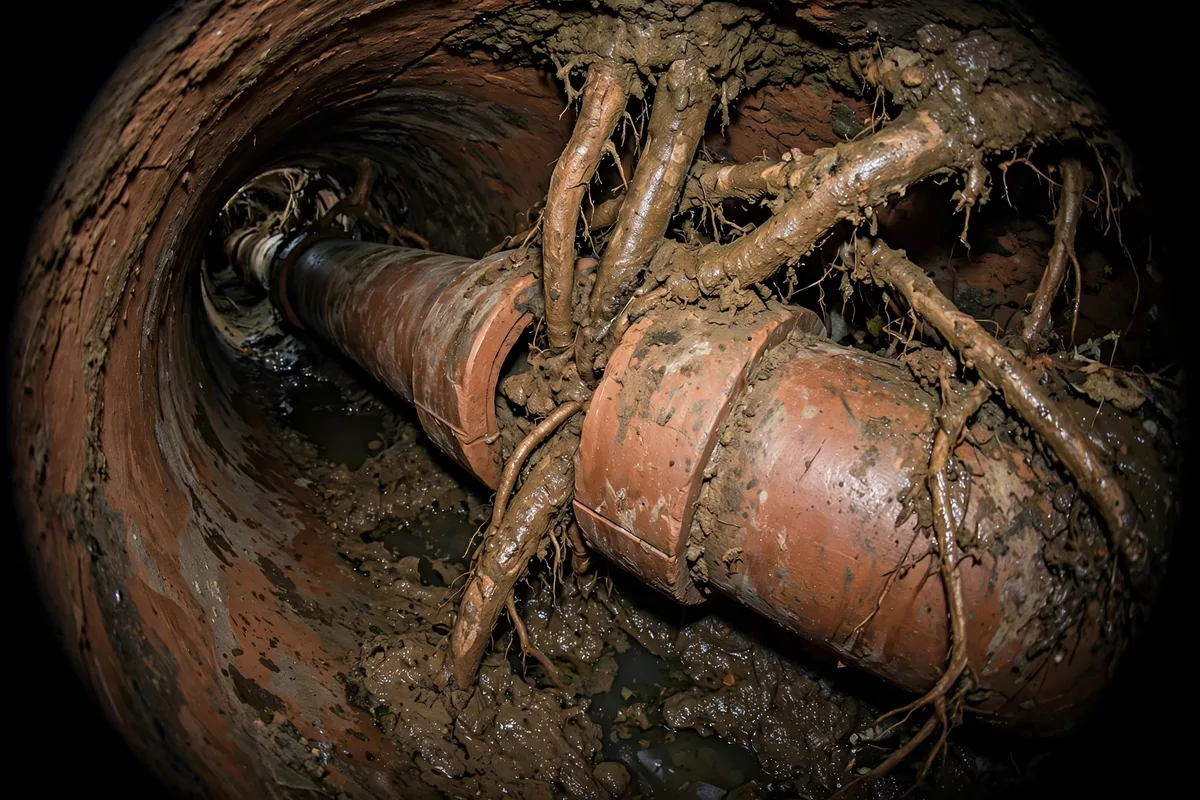
When the same drain slows down again weeks after a snaking, the walls are telling you they need jetting.
How Long Do the Results Last?
Longer than snaking, because the starting point is a clean pipe rather than a pierced clog. A jetted grease line in a household that stops pouring grease down the drain can stay clear for years. But jetting doesn't change habits or fix entry points. Keep feeding the line grease and the coating returns. Leave root entry points open and the roots grow back, typically within a year or two.
Think of it this way: snaking buys weeks to months, jetting buys months to years, and repair buys decades. Each step up addresses a deeper cause. The camera tells you which level you're at.
For the chemical-cleaner comparison, our truth about chemical drain cleaners covers why the bottle under your sink isn't the answer either. And if the camera reveals damage rather than dirt, trenchless vs traditional repair walks through the fix options.
People Also Ask
What pressure is used for hydro jetting a sewer line?
Residential sewer jetting typically runs 1,500 to 4,000 PSI, adjusted to the pipe's material and condition. Cast iron with heavy scale needs the higher end; older clay gets gentler treatment. The technician selects pressure based on the camera inspection, not a fixed number. Too little pressure wastes the visit; too much risks a compromised pipe.
How long does hydro jetting last before the line clogs again?
It depends on what was causing the buildup. Grease lines in restaurants need jetting every few months because grease returns with use. A residential line jetted clean of scale and sludge can run years before needing it again, unless roots re-enter through unrepaired joints. Jetting resets the pipe; what grows back depends on the pipe's underlying condition.
Can hydro jetting be done through a cleanout?
Yes, and that is the preferred access: the hose feeds directly into the line with full maneuverability. Without a cleanout, the technician works through a pulled toilet or roof vent, which is slower and limits the equipment. This is one reason installing a cleanout pays for itself: every future jetting or inspection goes faster and costs less in labor.
Hydro Jetting FAQs
A snake is a metal cable with a cutting head that punches a hole through a blockage. Hydro jetting is a high-pressure water system that scours the entire inside of the pipe. Snaking restores flow through the middle of a clog; jetting removes the buildup from the pipe walls, restoring the line closer to its full original diameter.
It can if the pipe is already failing. High-pressure water against a collapsed section, a severely cracked clay tile, or crumbling Orangeburg can make things worse. That's why a camera inspection comes first: jetting is for pipes that are structurally sound but dirty, not for pipes that are falling apart.
Grease and sludge coating the walls, scale and mineral deposits, sand and silt, soap buildup, and tree root masses when fitted with a root-cutting nozzle. What it can't remove is structural: bellies, offset joints, collapsed sections, and broken pipe. Those need repair, not cleaning.
Longer than snaking, because the pipe walls are actually clean rather than just pierced. A jetted grease line in a home with good habits can stay clear for years. But jetting doesn't change what's going into the pipe. If grease keeps going down the drain or roots keep entering through open joints, the buildup returns.
Yes, with the right pressure. Cast iron develops internal scale and tuberculation that jetting removes effectively, and properly set pressure won't harm sound cast iron. The exception is cast iron that's already paper-thin from corrosion. The camera inspection beforehand is what separates the pipes that can be jetted from the ones that can't.
If a snake clears the clog and it stays clear, you needed a cleaning. If clogs keep returning every few months, if multiple fixtures slow down together, or if the camera shows heavy wall buildup rather than a single blockage, jetting is the stronger answer. Recurring clogs are a buildup problem, and buildup is what jetting is built for.
Done Snaking the Same Drain?
We'll camera-inspect the line, jet it wall-to-wall if the pipe is sound, and show you the clean pipe on the monitor.
Call (614) 350-5706