Spring Thaw: Why March Brings Sewer Backups in Ohio
By Ohio Sewer Masters
Every March, the phones light up. Basements backing up, sump pumps running nonstop, floor drains overflowing. It happens every year, and it's almost entirely predictable.
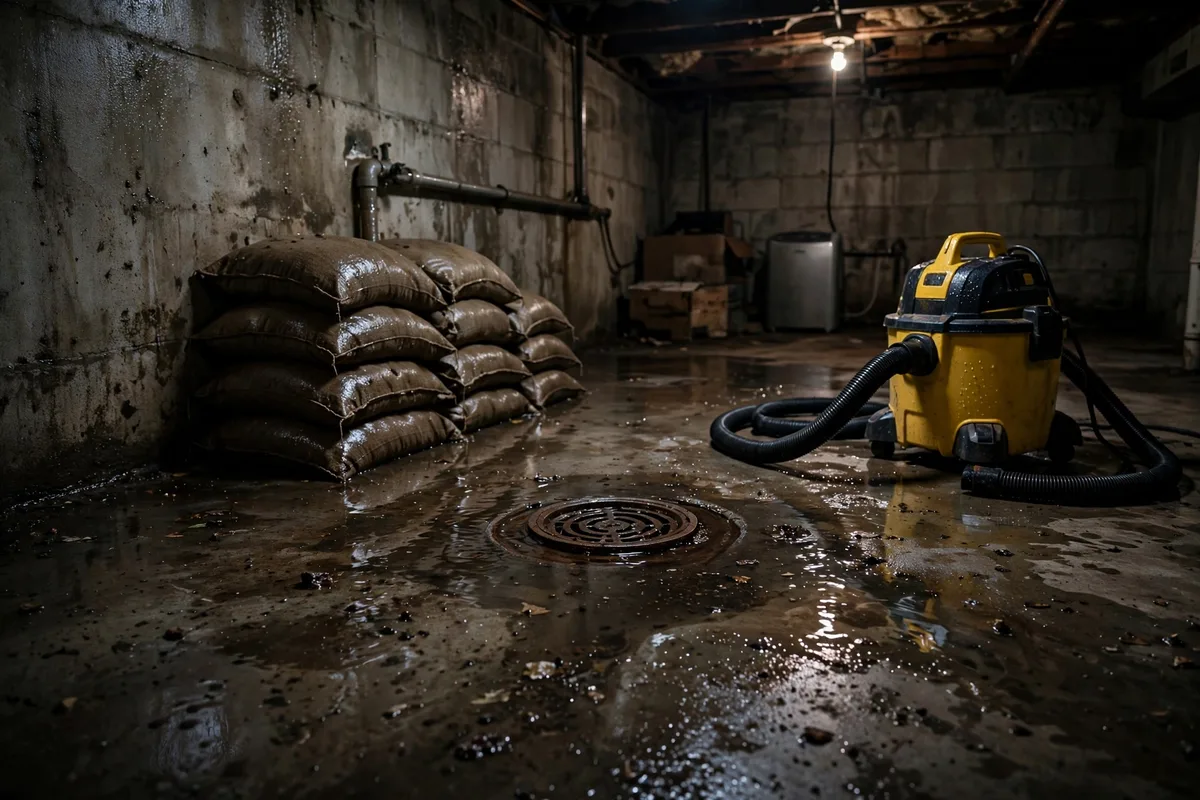
March combines snowmelt, spring rain, and saturated ground. Basements pay the price.
March is Ohio's busiest month for sewer backups because it stacks every water risk at once: melting snow, spring rain, ground that's still frozen below the surface, saturated soil, and sump pumps running at their limit. The water has nowhere to go except into foundations, floor drains, and any weak point in the sewer system.
Why March, Specifically
It's tempting to blame "spring rain," but rain alone doesn't explain the March spike. April gets plenty of rain with fewer backups. March is different because of what it's coming out of.
The snowpack releases all at once. A winter's worth of snow holds a remarkable amount of water, and a warm spell in March can release it in days. That volume hits the ground faster than any rainstorm.
The ground can't absorb it. In March, the soil is often still frozen a few inches down. Water can't soak into frozen ground, so every drop of meltwater becomes surface runoff. It sheets across yards, pools against foundations, and pours into window wells.
The soil is already saturated. Below the frost line, months of winter moisture have filled the soil's capacity. Ohio's clay holds water instead of draining it, so the ground around your foundation is essentially a full sponge sitting against your basement walls.
The municipal system is stressed too. Many Ohio cities run combined or partially combined sewers, where stormwater and sewage share pipes. When meltwater floods the storm side, the whole system surges, and the surge pushes back toward houses. Our combined sewer guide explains how these systems behave under load.
No single one of these causes a backup. All five together, in the same two weeks, do.
The Four Ways Water Gets Into Your Basement
When a basement floods in March, the water took one of four paths. Knowing which one matters, because each has a different fix:
1. Up through the floor drain. This is the sewer lateral path. Either the municipal system surged backward through your line, or your own line is blocked and household water has nowhere to go. A backwater valve stops the municipal surge. A camera inspection finds the blockage.
2. Through the walls or floor cracks. This is the groundwater path. Saturated soil presses water through every crack and porous spot in the foundation. The fixes are exterior: grading, gutters, downspout extensions, and foundation drainage.
3. From the sump pit. Either the pump failed, the pump can't keep up, the discharge line is frozen or blocked, or the power went out. The pit overflows and the basement floods from the inside. Our sump pump failure guide covers this path in detail.
4. Over the foundation. In a fast thaw with poor grading, meltwater pools against the house faster than anything can move it, and it comes in through windows, doors, and the sill. This is a grading and surface-water problem.
After a flood, walk the basement and note where the water came from before you clean up. That observation is the most valuable diagnostic you'll get.
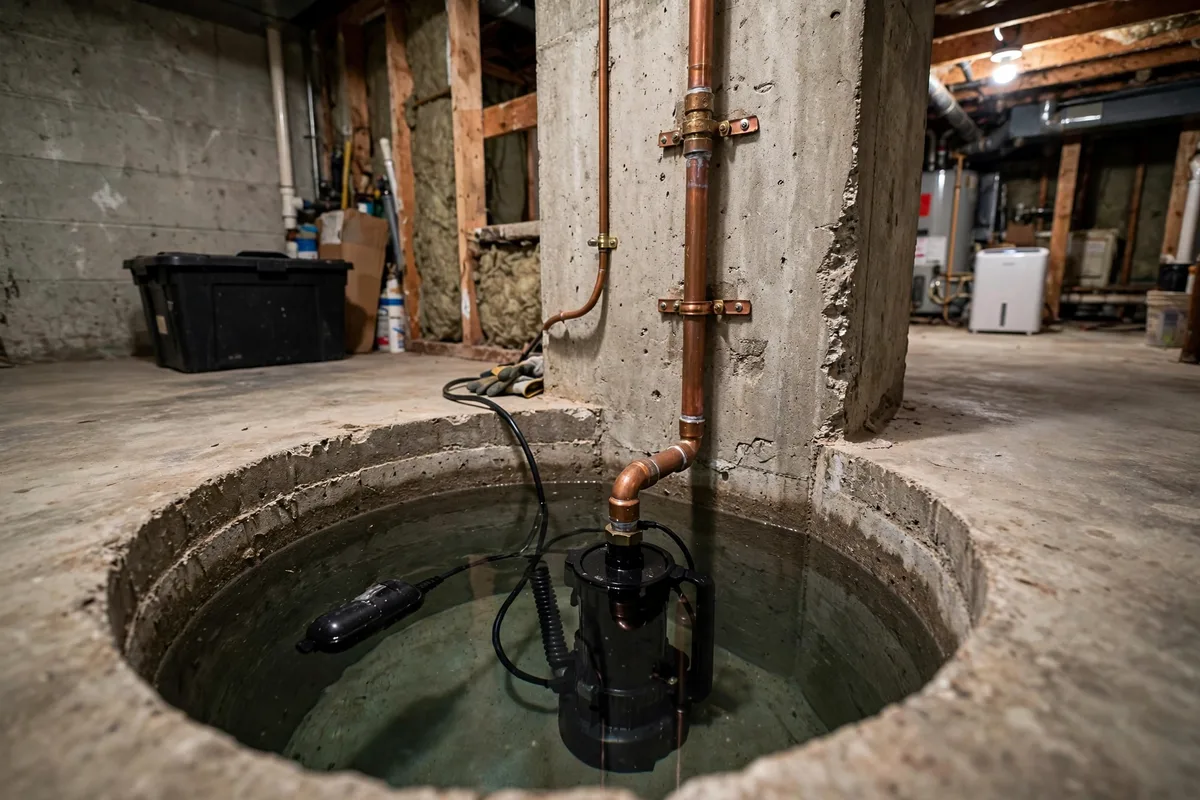
March is when sump pumps earn their keep. Test yours in February, not during the first flood.
Your February Checklist: Before the Thaw
The work that prevents a March backup happens in February. None of it is complicated:
- Test the sump pump. Pour a bucket of water into the pit and confirm the pump kicks on, moves water, and shuts off. Listen for grinding or hesitation. Check that the discharge line runs well away from the foundation and isn't frozen, cracked, or buried in snow.
- Clear the gutters and extend the downspouts. Winter fills gutters with debris and ice. Downspouts should discharge at least six feet from the foundation, further if your yard allows it. A downspout dumping next to the foundation in March is a direct feed into the basement.
- Walk the grading. The yard should slope away from the house in every direction. Winter heaving can change grading, and new low spots against the foundation are where meltwater collects.
- Camera-inspect the lateral. Winter is rough on pipes: heaving opens joints, shifts sections, and widens cracks. A February inspection finds the damage while it's still a repair, not during the March surge when it's an emergency. See what the inspection involves.
- Confirm the backwater valve. If you have one, know where it is, make sure the access is clear, and verify the flap moves freely. If you don't have one and your basement has a floor drain connected to the municipal system, March is the argument for getting one.
- Move valuables up. Anything stored on the basement floor in a flood-prone house should live on shelves or pallets by March. This isn't plumbing advice, it's damage control, and it matters.
What Winter Did to Your Line While You Weren't Looking
Spring doesn't just bring water. It reveals damage. Every freeze-thaw cycle over the winter lifted and dropped the soil around your lateral, and the thaw shows what moved:
- Joints that heaving opened over winter become the entry points roots exploit in spring.
- Sections that settled unevenly become new bellies, sagging spots that collect the spring's extra volume.
- Hairline cracks from frost pressure become the leaks that show up as mysteriously green grass in April.
This is why spring is the most honest time for sewer work. The ground is workable, the damage is visible, and fixing it in April beats discovering it during the next March. Our freeze-thaw damage guide covers the mechanics of what winter does underground.
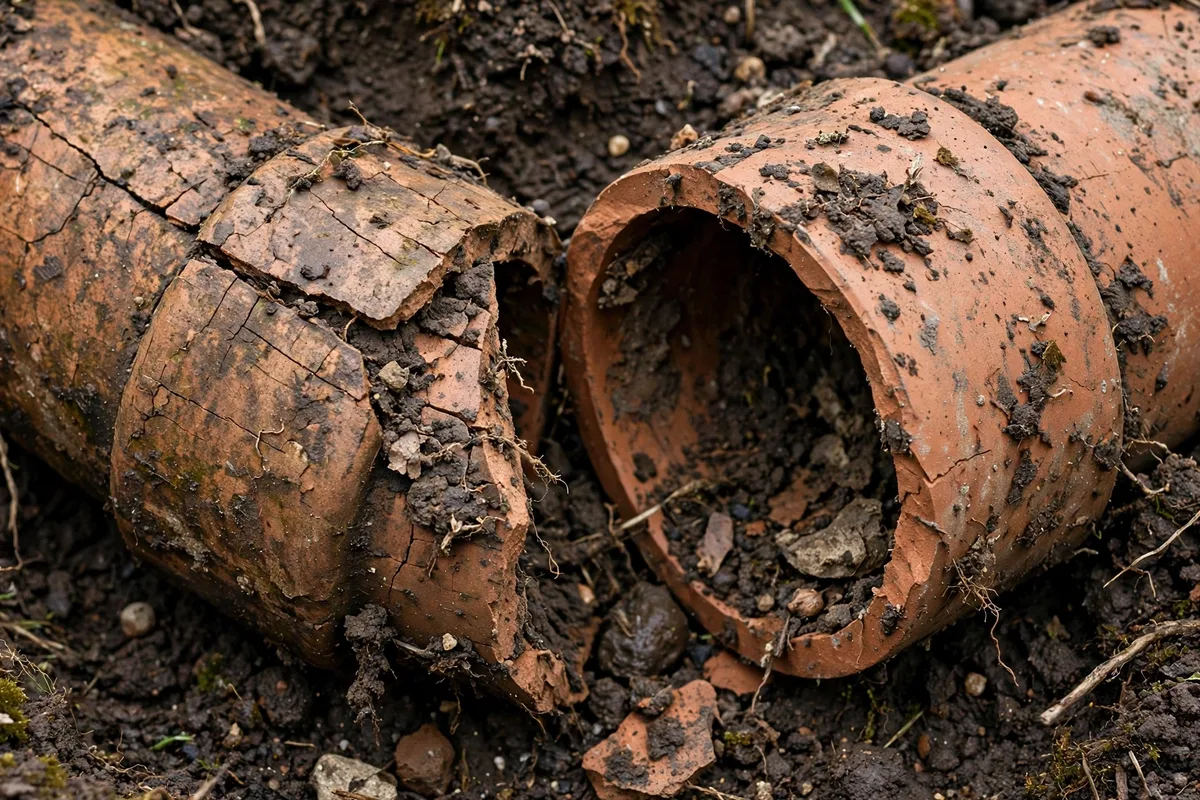
The thaw exposes what winter did. Walk your yard in March and look for settling along the sewer line's path.
During the Thaw: What to Watch
Once the melt starts, a few days of attention catch problems early:
- Listen to the sump pump. It should cycle on and off. Running constantly for days means it's barely keeping up, and a pump at its limit has no reserve for a rain event on top of the melt.
- Watch the floor drain. Water rising in the floor drain during the thaw means the lateral or the municipal system is overwhelmed. Don't wait for it to overflow.
- Check the yard. New sunken spots along the line from your house to the street, or an unusually green stripe of grass, mean the thaw is exposing pipe damage.
- Note the gutters. Overflowing gutters during melt mean they're blocked, and that water is going straight down the foundation walls.
If the floor drain is rising, stop using water in the house and call. Every gallon you send down adds to a system that's already losing. Our emergency backup service handles exactly this scenario.
Spring Thaw Risk by Situation
| Your situation | March risk |
|---|---|
| Basement with floor drain, no backwater valve | Highest. Municipal surges have a direct path into your basement. |
| Older lateral, never inspected | High. Winter damage plus spring volume is the classic backup setup. |
| Sump pump over 7 years old, untested | High. Pumps fail most often when worked hardest, which is March. |
| Flat yard, downspouts near foundation | Elevated. Surface water has a short path to the basement. |
| Backwater valve plus tested pump plus good grading | Lowest. Every layer you add removes a path the water can take. |
For official guidance on household water management, the U.S. EPA publishes homeowner resources on wastewater and drainage. And if any spring work involves digging, call 811 (call811.com) first.
People Also Ask
Why do sewer backups spike during spring thaw?
Thawing ground releases months of accumulated stress at once: soil shifts open pipe joints, snowmelt saturates the ground and infiltrates cracked laterals, and the first heavy rains arrive while the ground is still partly frozen and cannot absorb water. Sump pumps run constantly and sometimes fail under the load. It is the year's highest-stress period for underground plumbing.
How can I protect my basement during spring thaw?
Test the sump pump and backup system before March, make sure the discharge line is clear and directed away from the foundation, clean gutters and extend downspouts, verify the backwater valve is functional, and reduce water usage during the heaviest melt days. Each step removes one failure mode from the chain that causes spring backups.
Is spring really worse than winter for sewer lines?
For backups, yes. Winter damages pipes through freeze-thaw cycling, but the damage often stays hidden until spring, when meltwater and rain exploit every crack the winter opened. Winter is when the pipe breaks; spring is when you find out. That is why March and April bring the year's peak in backup calls across the Great Lakes region.
Spring Thaw FAQs
March combines every risk factor at once: melting snow, spring rain, still-frozen ground that can't absorb water, saturated soil, and sump pumps running at maximum. The water has nowhere to go except into foundation drains, floor drains, and any weak point in the sewer system. It's a volume problem more than a pipe problem.
Yes. A deep snowpack holds an enormous amount of water, and a fast thaw releases it in days. If the ground is still frozen a few inches down, none of it soaks in. It runs across the surface, pools against foundations, and floods the drainage systems that feed into or around your sewer lateral.
Test your sump pump by pouring water into the pit, confirm the discharge line runs well away from the foundation and isn't frozen, clean your gutters and extend downspouts, check that the yard grades away from the house, and make sure your backwater valve is accessible. A February camera inspection catches winter damage before the melt exposes it.
It protects against one specific thing: municipal sewer water flowing backward into your basement through the lateral. It won't stop groundwater seeping through foundation walls or a failed sump pump from flooding the pit. It's one layer of a spring defense, not the whole defense.
Find out how the water got in, because the fix depends on the path. Water through the floor drain points to the sewer lateral or a failed backwater valve. Water through the walls points to drainage and grading. Water from the sump pit points to pump capacity or failure. A camera inspection plus a look at your drainage setup narrows it to the right fix.
It's the most honest time. Spring exposes everything winter did to your line: shifted joints, new bellies, root entry points opened by heaving. The ground is workable, contractors are past the winter emergency rush, and fixing damage in April beats discovering it during the next March.
Get Ahead of the March Surge
We'll camera-inspect your line, check your defenses, and tell you straight where you stand before the thaw. February beats March every time.
Call (614) 350-5706